

surrogacy nutrition guide
Surrogacy Nutrition Guide: Eating Well During Your Surrogate Pregnancy
This surrogacy nutrition guide covers the key nutrients, foods to focus on, and practical eating habits that support a healthy surrogate pregnancy. No complicated rules — just clear, useful guidance.
Quick Answer
- Surrogate pregnancies have the same nutritional needs as any healthy pregnancy — no special surrogate diet is required
- Key nutrients include folate, iron, calcium, DHA, vitamin D, and iodine from whole foods and a daily prenatal vitamin
- Prenatal vitamins and pregnancy-related supplements are typically covered as part of your medical care, paid for by the intended parents
- Focus on whole foods, lean proteins, leafy greens, dairy or fortified alternatives, and adequate hydration
Why Nutrition Matters During Surrogate Pregnancy
Good food is one of the best things you can do during a surrogate pregnancy.
Your body does a lot of work. Nutrients fuel that work. Eating well helps you feel good and helps the baby grow.
The surrogacy nutrition guide goal is not a strict diet. It is a pattern: more protein, more plants, less sugar, more water.
Your prenatal vitamin fills the gaps. Take it daily. Folic acid, iron, calcium, and vitamin D are the key ones.
Talk to your OB about your diet early. If you have any food limits or health conditions, tell them. They may send you to a dietitian.
The Office on Women's Health has free guides on healthy eating during pregnancy.
Prenatal vitamins should ideally be started before the embryo transfer. They are typically covered as part of your medical care, paid for by the intended parents. ACOG recommends starting a folic-acid prenatal vitamin as early as possible to help reduce pregnancy risks.
Key Nutrients to Focus On
Certain nutrients matter most during pregnancy. Your prenatal vitamin covers many of these — but food matters too.
Folate: Aim for 600 to 800 mcg daily. Folate lowers the risk of neural tube defects, according to ACOG guidance on reducing birth defect risk. Leafy greens, beans, and fortified cereals are good food sources.
Iron: Your blood volume rises during pregnancy. Iron keeps up with that demand. Red meat, spinach, lentils, and fortified grains are good sources. Pair with vitamin C to help your body absorb more.
Calcium: Your bones and the baby's bones both need calcium. Dairy, fortified plant milks, leafy greens, and almonds all contribute.
Omega-3 fatty acids: Support brain and eye development in the baby. Low-mercury fish, walnuts, and flaxseed are good sources.
Protein: The baby needs protein to grow. Aim for enough protein at every meal — eggs, chicken, beans, Greek yogurt.
Folate is one of the most important nutrients in early pregnancy. Most prenatal vitamins cover this — start taking them before the embryo transfer.
Foods to Focus On and Foods to Avoid
This surrogacy nutrition guide splits foods into two simple categories. Some foods help you and the baby grow well. Others carry risks during pregnancy.
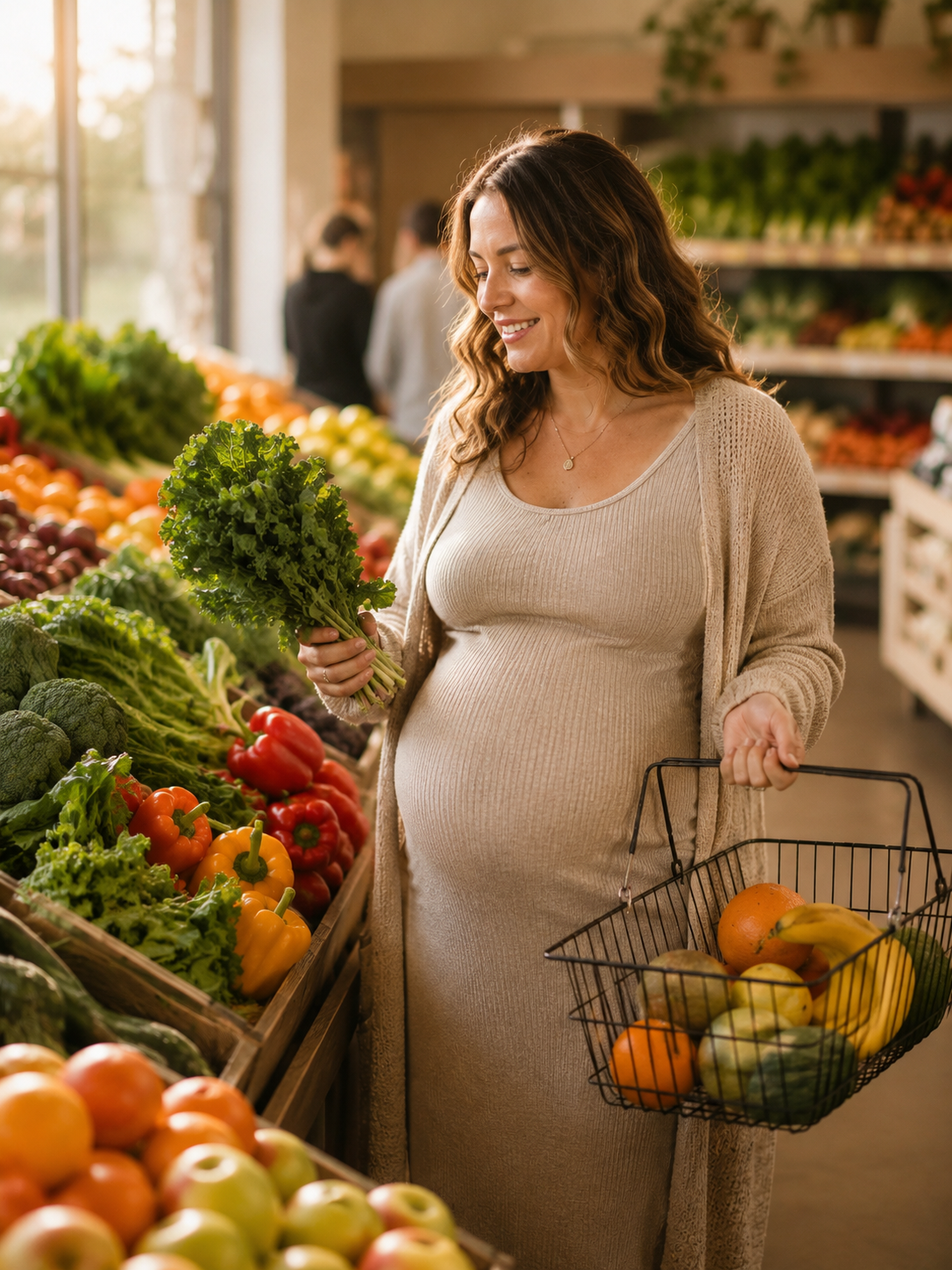
Focus on: Lean meat, fish, beans, eggs, and dairy give you protein. Leafy greens give you iron and folate. Fruit gives you vitamins and fiber. Whole grains keep your energy steady.
Limit: Caffeine should stay under 200 mg a day. Processed snacks add sugar without nutrients.
Avoid: Raw fish or raw meat. Unpasteurized cheese. High-mercury fish like swordfish. Deli meat unless heated. Alcohol is not safe at any level during pregnancy, per ACOG guidance on reducing pregnancy risks.
Your OB can answer any food questions specific to you.
Alcohol is never safe during pregnancy. High-mercury fish, raw meats, and unpasteurized dairy should also be avoided throughout your surrogate pregnancy — see ACOG's guidance on healthy pregnancy habits for more.

Managing Nausea and Maintaining Good Nutrition
First-trimester nausea can make eating well feel impossible. You are not alone — most pregnant women experience it. Here are practical strategies that help:
Eat small, frequent meals instead of three large ones — a habit consistent with ACOG's guidance on good health during pregnancy. An empty stomach often makes nausea worse. Keep crackers or dry toast nearby for the morning.
Ginger helps many women — ginger tea, ginger chews, or ginger ale with real ginger. It is safe during pregnancy.
Cold foods often trigger nausea less than hot foods. If the smell of cooking bothers you, opt for cold meals or foods that do not need to be heated.
If nausea is severe and you cannot keep food down, tell your OB. Hyperemesis gravidarum (extreme morning sickness) is a medical condition that needs treatment.
First-trimester nausea usually eases by week 12–14. Most surrogates find their appetite and energy return in the second trimester.
This surrogacy nutrition guide covers the basics. Your OB and coordinator are your best resources for personalized advice.
- Eat small meals every 2–3 hours to keep nausea at bay
- Keep crackers or dry toast nearby in the morning
- Try ginger tea or ginger chews — considered safe during pregnancy per ACOG guidance
- Choose cold foods if hot food smells trigger nausea
Frequently Asked Questions
Do surrogates need to follow a special diet?
No special surrogate diet is required. Follow the same evidence-based nutrition guidelines as any healthy pregnant woman — whole foods, prenatal vitamins, adequate hydration, and avoiding high-risk foods.
Who pays for prenatal vitamins during a surrogate pregnancy?
Prenatal vitamins are typically covered as part of your medical care, paid for by the intended parents, along with your other pregnancy-related medical costs.
What if I have nausea and can't eat well in the first trimester?
Nausea is common in early pregnancy. Small frequent meals, ginger, and cold foods can help, per ACOG's guidance on good health during pregnancy. If nausea is severe, contact your OB — hyperemesis gravidarum is a medical condition that can be treated.
How many extra calories do surrogates need?
In the second and third trimester, most pregnant women need about 300 additional calories per day. The first trimester typically requires no extra calories. Your OB provides guidance based on your specific needs — your surrogacy nutrition guide starts with that conversation, not a number on a scale.