
surrogacy exercise guidelines
Surrogacy Exercise Guidelines: What's Safe and What to Avoid
Exercise during a surrogate pregnancy is healthy and encouraged — as long as you follow the right guidelines. Here is what surrogacy exercise guidelines recommend, trimester by trimester.
Quick Answer
- ACOG recommends 150 minutes of moderate exercise per week for healthy pregnant women — this applies to surrogates too
- Walking, prenatal yoga, and swimming are all encouraged throughout a surrogate pregnancy
- Contact sports, high-intensity intervals, and exercises flat on your back in the second half of pregnancy should be avoided
- Always get your OB's approval before starting or changing your routine during the surrogate pregnancy
What Surrogacy Exercise Guidelines Recommend
The surrogacy exercise guidelines from Rocky Mountain Surrogacy follow OB advice.
Most healthy surrogates can stay active through all three trimesters. The goal is to stay well — not to train hard.
Activity helps with sleep, mood, and back pain. It can also help make delivery easier.
Get clearance from your OB first. The clinic may have rules for the first few weeks after transfer. Once cleared, follow normal pregnancy activity rules.
The CDC recommends 150 minutes of moderate activity per week in pregnancy, matching ACOG guidance. Your OB sets your personal limits.
ACOG recommends 150 minutes of moderate exercise per week during pregnancy. Walking, swimming, and prenatal yoga are all excellent choices.
Safe Activities During a Surrogate Pregnancy
These activities are safe for most pregnant surrogates:
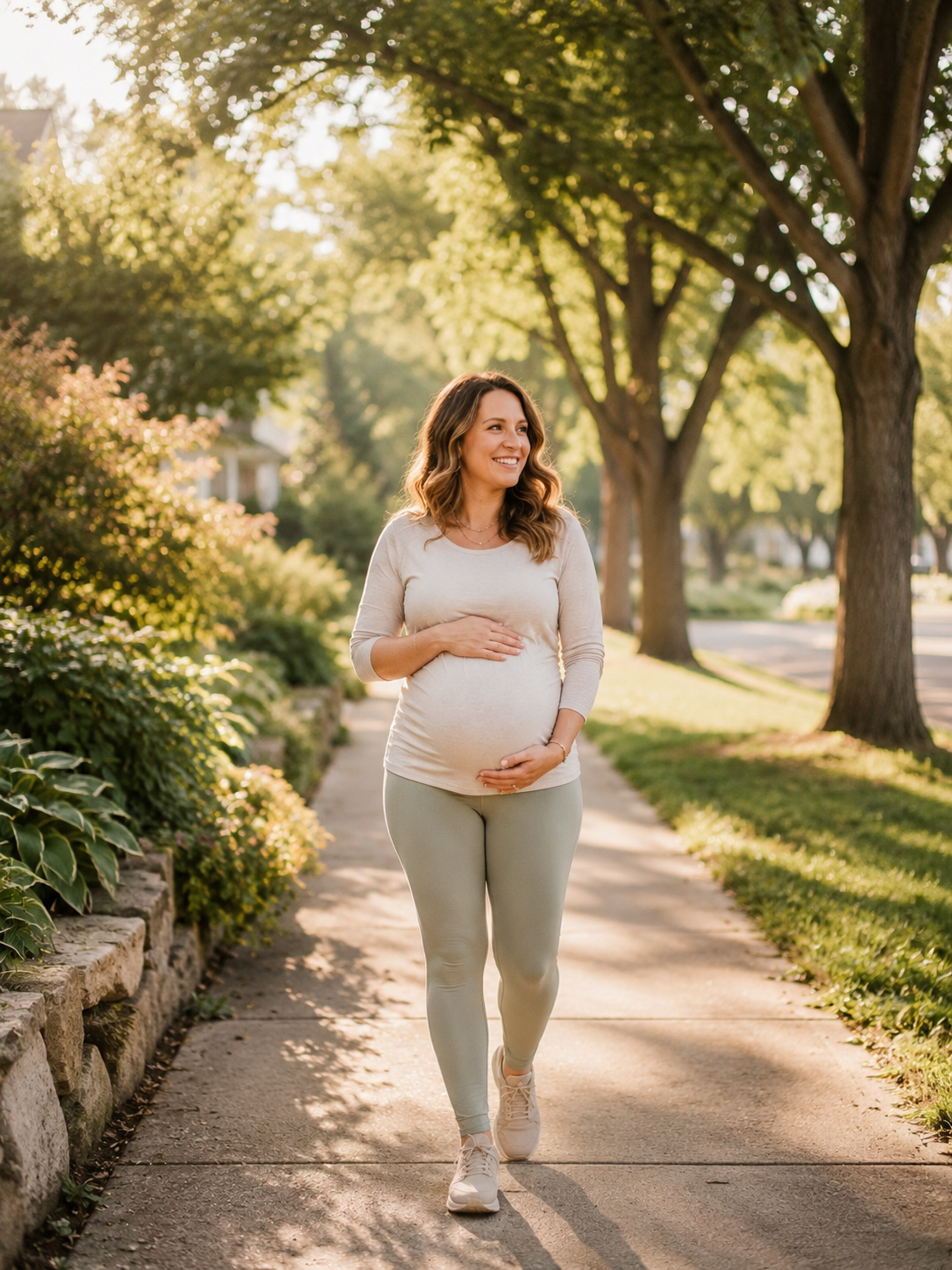
Walking. Easy on the joints. Good for the heart. Safe all three trimesters.
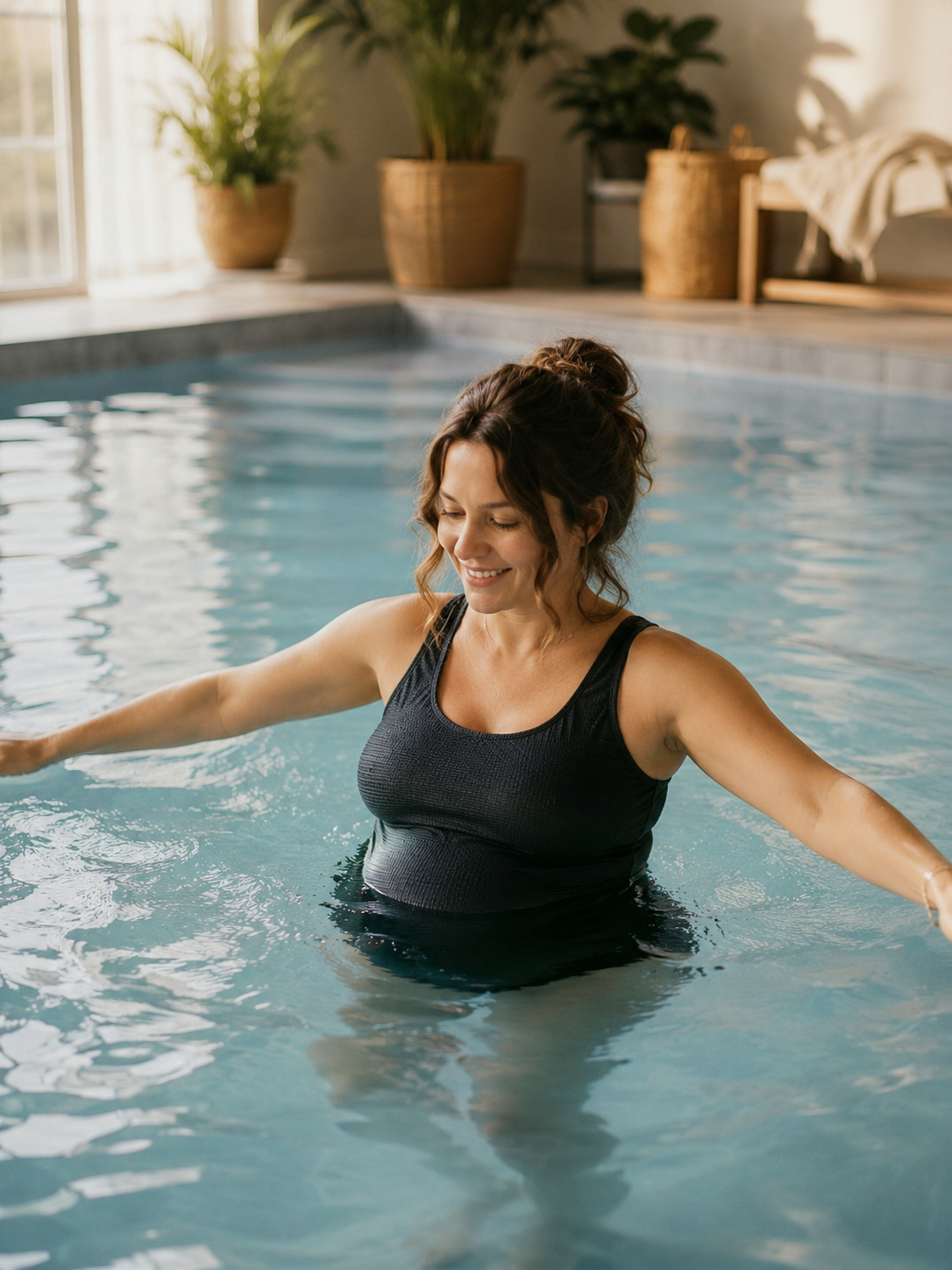
Swimming. Low impact. Great for back pain and swelling.
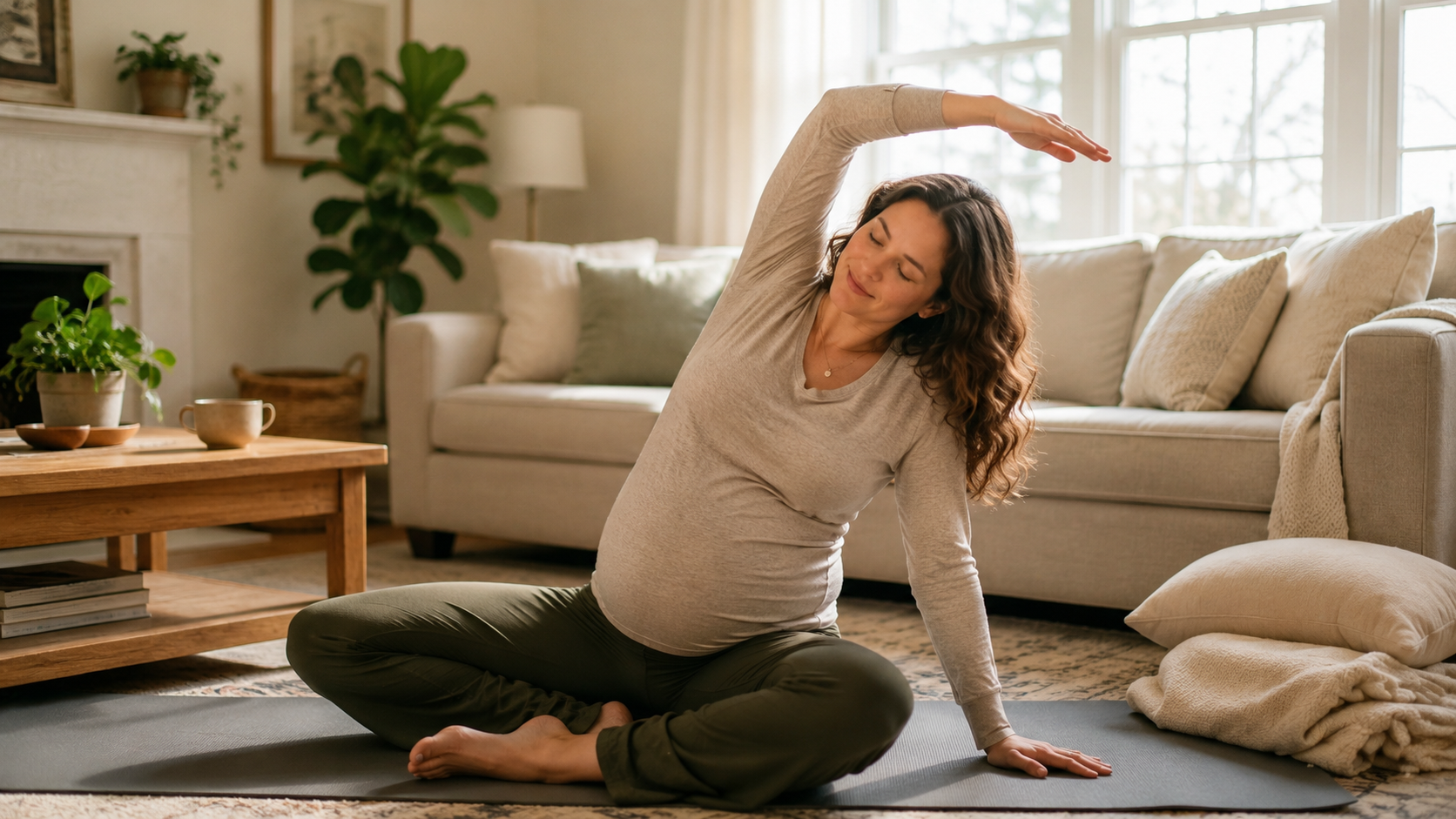
Prenatal yoga. Builds strength and calm. Look for a teacher trained in prenatal work.
Cycling. A stationary bike is safer than a road bike as your belly grows.
Light strength work. Fine if you were already doing it. Ask your OB before adding new lifts.
Listen to your body. If something hurts, stop. If you are not sure, call your OB.
- Brisk walking — 30 minutes most days
- Prenatal yoga — modified for pregnancy
- Swimming and water aerobics — great for all trimesters
- Light strength training — upright or all-fours exercises
Activities to Avoid During Surrogate Pregnancy
Some activities carry real risks during pregnancy. Avoid these:
Contact sports. No football, basketball, or martial arts. A hit to the belly is not safe.
Activities with fall risk. No skiing, horse riding, or rock climbing.
High-altitude exercise. Avoid trips above 8,000 feet while pregnant.
Hot yoga or hot tubs. High heat raises core body temperature. This is a risk in early pregnancy.
Scuba diving. The pressure is not safe for a developing baby.
Intense running. Long runs are fine early on. After the second trimester, scale back if your OB advises it.
These activity limits follow ACOG's exercise during pregnancy guidelines.
Stop exercising and contact your OB if you experience chest pain, dizziness, shortness of breath, unusual swelling, decreased fetal movement, or vaginal bleeding — these are ACOG's official warning signs to stop exercise during pregnancy.
Frequently Asked Questions
Can surrogates exercise during pregnancy?
Yes — ACOG recommends 150 minutes of moderate exercise per week for healthy pregnant women, and this applies to surrogates. Walking, prenatal yoga, and swimming are all excellent choices. Always get your OB's approval before starting or changing your routine.
What exercises should surrogates avoid?
Avoid contact sports, high-intensity intervals, hot yoga, exercises that require lying flat on your back in the second half of pregnancy, and activities with a fall risk like horseback riding or skiing, per ACOG's exercise during pregnancy guidelines.
Can I run during a surrogate pregnancy?
If you were running before your surrogate pregnancy and your OB approves, you can generally continue at reduced intensity in the first and second trimester. Most surrogates transition to brisk walking in the third trimester.
When should a surrogate stop exercising during pregnancy?
Stop immediately and contact your OB if you experience chest pain, dizziness, shortness of breath, unusual swelling, vaginal bleeding, or decreased fetal movement — this list comes directly from ACOG's exercise during pregnancy guidelines.